Authenticity Is the New Filter: How Performing Realness Became Its Own Exhausting Brand
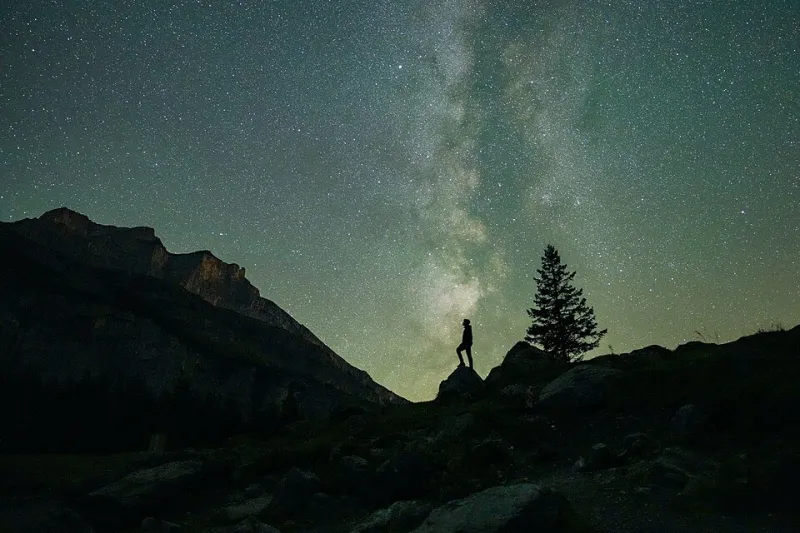
Photo: Giles Laurent, CC BY-SA 4.0, via Wikimedia Commons
Somewhere between the polished Instagram grids of 2015 and today's teary-eyed TikTok confessionals, something got twisted. The cultural revolt against curated perfection — the one that told us to ditch the filters, show our flaws, and just be real — quietly turned into its own performance. And a lot of people are starting to feel the weight of it.
Welcome to the authenticity economy: a space where vulnerability is a content strategy, chaos is an aesthetic, and showing your "true self" online involves more planning than most people put into a job interview.
When Realness Became a Product
It started with good intentions. Around the late 2010s, a wave of creators and everyday users pushed back against the impossibly perfect imagery dominating social feeds. Stretch marks got celebrated. Cluttered apartments got posted. Crying selfies started racking up millions of views. The message was clear: stop pretending, start living.
But here's the thing about the internet — it monetizes everything it touches. Brands noticed that "raw" content drove engagement. Algorithms rewarded confessional formats. And suddenly, being unfiltered wasn't just a personal choice. It was a growth strategy.
Now the pressure isn't just to look good. It's to look appropriately undone. To share the hard days. To film the breakdown, then the recovery, then the lesson. To be messy — but not too messy. Relatable — but still aspirational. Honest — but in a way that keeps people coming back.
That's a lot of cognitive load for what's supposed to feel effortless.
The Anxiety Hiding Inside the "No-Edit" Edit
Talk to almost anyone who's spent serious time building an online presence — whether that's a full-time creator in LA or a regular person with a few thousand Instagram followers in Ohio — and you'll hear some version of the same thing: the "authentic" content is often the hardest to make.
Deciding what counts as real enough. Wondering if the vulnerability feels genuine or performative. Second-guessing whether sharing a hard moment is honest expression or just fishing for engagement. These aren't small concerns. They're the kind of low-grade mental noise that follows people around all day.
Psychologists have a term for the cognitive dissonance that comes from performing emotions you're not sure you're actually feeling: emotional labor. It's the same phenomenon studied in service workers who have to smile through eight-hour shifts. Turns out, curating your emotional life for public consumption isn't all that different — and it takes a toll.
What's particularly strange about the authenticity economy is that it's made even private moments feel like potential content. A Sunday morning with coffee and rain on the window. A hard conversation with a friend. A moment of grief. All of it now exists in this weird dual state — something you're living, but also something you might document, caption, and post. The line between experience and content has never been blurrier.
The Audience Effect
Researchers who study online behavior have noted something they call the "audience effect" — the way people modify their behavior when they know, or even just imagine, that someone is watching. Social media has essentially turned that effect on permanently for millions of Americans.
You don't have to be a public figure for this to apply to you. Anyone who's ever paused before posting a story, or felt a flicker of self-consciousness while taking a photo of their food, knows the feeling. The audience is always there, real or imagined. And the authenticity trend hasn't made that go away — it's just changed what the audience expects to see.
The pressure used to be: look perfect. Now it's: look perfectly imperfect. Different standard, same performance.
The Communities Quietly Opting Out
Not everyone is playing along, though. Scattered across the internet — and increasingly offline — small communities are pushing back against the documentation reflex entirely. Not by posting about how they're not posting (which, yes, would be its own irony), but by simply... not.
There are friend groups that have made a pact to keep their hangouts off social media. Couples who've decided their relationship doesn't need a digital footprint. Young people who use social platforms purely for consumption, never creation — lurking without broadcasting. Subreddits dedicated to the idea of living life without turning it into content.
What these groups share isn't technophobia or nostalgia. It's a pretty simple idea: that some moments are worth more when they stay yours. That not every feeling needs an audience. That existing without documentation is still existing.
It's a quiet kind of rebellion, and it doesn't make for great content — which is kind of the whole point.
So Where Does That Leave the Rest of Us?
Most people aren't going to go full off-grid. Social media is woven into how Americans socialize, work, consume, and stay connected. Opting out entirely isn't realistic for a lot of people, and it shouldn't have to be.
But there's something worth sitting with in the realization that authenticity — this thing that was supposed to set us free from performance — has just become a more sophisticated kind of performance. That the "real you" being sold back to you online is still a product, still shaped by what gets likes, still filtered through what the algorithm rewards.
Maybe the move isn't to perform authenticity better. Maybe it's to get a little more comfortable with the version of yourself that doesn't need an audience at all.
Not as a brand. Not as content. Just as a person, living their life, with no caption required.
That's a vybe that doesn't need a post.