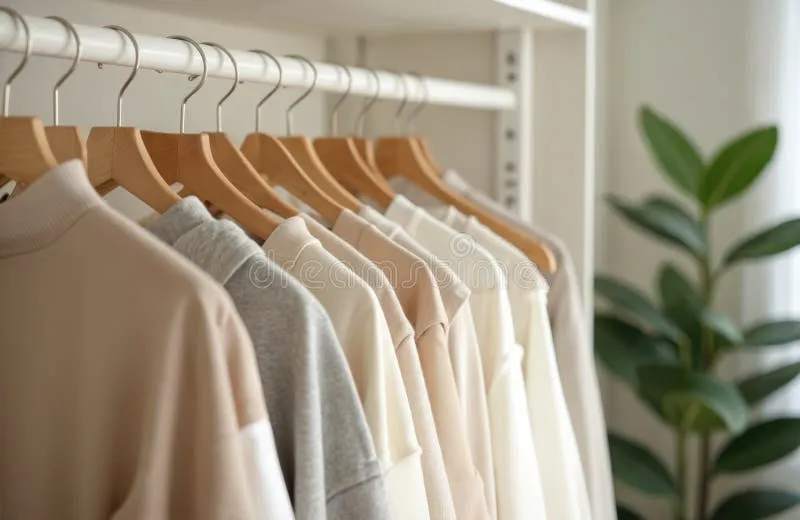
Who Are You This Week? Inside Gen Z's Wild Practice of Reinventing Themselves Through Playlists and Aesthetics
Photo: Rawpixel Ltd, CC BY 2.0, via Wikimedia Commons
Your Vibe Is on a Seven-Day Lease
Picture this: last Monday, your For You Page was drowning in fairy lights, linen dresses, and soft acoustic guitar. By Friday, you'd swapped your playlist for hyperpop bangers, painted your nails black, and were deep in a rabbit hole of Y2K fashion inspo. You didn't move, you didn't change jobs, you didn't even rearrange your furniture — but somehow, you felt like a completely different person.
Welcome to vibe shifting, the Gen Z practice of cycling through full aesthetic identities — complete with curated playlists, fashion moods, digital personas, and even different friend-group energy — sometimes as often as every week. It's part self-expression, part social media performance, and part something that psychologists are only just beginning to wrap their heads around.
It's Not Just a Phase, Mom — It's a System
Older generations had phases too, sure. The emo kid who went preppy in junior year. The college freshman who discovered folk music and thrifting. But those shifts took months, sometimes years, and they usually tracked with real-life milestones — new school, new relationship, new city.
Vibe shifting operates on a completely different clock. On TikTok and Instagram, aesthetic identities have been catalogued, named, and made instantly accessible. Cottagecore. Dark academia. Soft girl. Coastal grandmother. Goblincore. Each one comes pre-packaged with a mood board, a soundtrack, a color palette, and a wardrobe checklist. The infrastructure for becoming someone new — or at least dressing like it — is always just a scroll away.
"It's like aesthetic identities have been productized," says Maya Chen, a 22-year-old content creator based in Austin, Texas, who documents her weekly vibe shifts to her 180,000 TikTok followers. "I don't feel like I'm being fake. I feel like I'm trying on different parts of myself and seeing which ones fit."
That framing — identity as a wardrobe — is central to how a lot of young people talk about this. Rather than feeling destabilized by the shifts, many describe it as genuinely exploratory. "I found out I actually love jazz because of a 'dark academia autumn' phase," says Jordan Reyes, a 19-year-old from Chicago. "I never would've found that if I'd just stuck to what I always listened to."
The Algorithm Has Opinions About Who You Are
Here's where things get a little thorny. While vibe shifting can feel like pure self-determination, the content ecosystem that enables it isn't exactly neutral. TikTok's algorithm is famously good at identifying what kind of content keeps you watching — and once it figures out you're in a "coquette aesthetic" era, it will flood your feed with more of it. You might think you're choosing your vibe, but the algorithm is also choosing it for you, reinforcing a particular aesthetic loop until you eventually break out of it and start the cycle again.
Dr. Priya Nair, a clinical psychologist who works with adolescents and young adults in New York, sees this dynamic play out regularly with her clients. "There's something genuinely healthy about identity exploration at this age," she says. "Erikson's theory of psychosocial development tells us that adolescence and young adulthood are exactly when people are supposed to be trying on different identities. What's new is the speed and the public nature of it."
The public part is key. When you shift your vibe in real life — new haircut, new playlist — it's mostly a private experience. When you do it on TikTok, you're performing the shift for an audience, and that audience has opinions. Comments. Engagement metrics. The pressure to be consistent with your brand, even if your "brand" is that you're always changing.
"Some of my clients describe feeling genuinely exhausted by it," Dr. Nair adds. "There's this anxiety around whether the new vibe is 'authentic' enough, whether followers will accept it, whether they're losing their sense of self or finding it."
The Playlist as Identity Anchor
Of all the tools in the vibe-shifting toolkit, music playlists might be the most powerful. Spotify and Apple Music have essentially become identity documents — public-facing, shareable, and deeply personal. A well-curated playlist communicates taste, mood, cultural literacy, and emotional state all at once.
Gen Z has picked up on this. "My playlist is always the first thing I change when I'm shifting," says Maya. "The music sets the whole tone. Once I know what I'm listening to, the rest of the aesthetic kind of falls into place."
There's real neuroscience behind this. Music activates the brain's reward and emotional regulation systems more deeply than almost any other stimulus. Changing your musical environment can genuinely shift your mood, your posture, even your social behavior. In a very real sense, a new playlist can make you feel like a new person — at least temporarily.
Liberation or Exhaustion? Maybe Both.
The honest answer is that vibe shifting can be either, depending on the person and the context. For some, it's a genuinely liberating practice — a way to stay curious, resist the pressure to lock into a single identity too early, and explore the full range of who they might become. For others, especially those who are already anxious or struggling with a sense of self, the constant churn can deepen feelings of instability.
Dr. Nair suggests a simple gut-check: "Ask yourself whether the shift is coming from genuine curiosity and excitement, or whether it's coming from dissatisfaction, comparison, or a fear of being seen as boring. Those are very different motivations, even if the behavior looks the same from the outside."
Content creator Jordan puts it more simply: "I think the goal is to shift because you want to, not because you feel like you have to. The minute it feels like homework, something's off."
At Vybe Central, we're all about finding what resonates — and sometimes that means letting your vibe breathe a little before you blow it up and start over. But hey, if cottagecore calls again next Tuesday, we're not here to judge.