Folder People, Widget People, Chaos People: A Field Guide to the American Home Screen
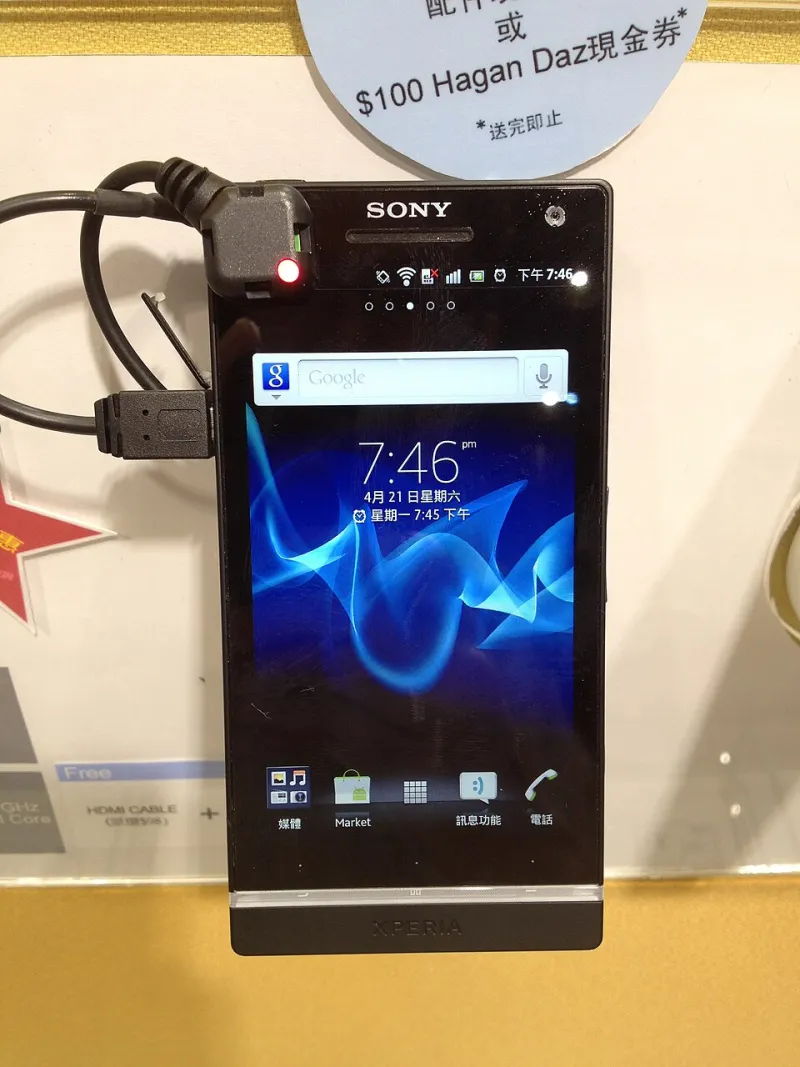
Photo: Novo8, CC BY-SA 3.0, via Wikimedia Commons
You can learn a lot about a person by looking at their phone. Not the message threads — those are private. Just the home screen. The first page. The one they see a hundred and forty times a day without thinking about it.
Somewhere along the way, that page stopped being a utility and became a statement. People curate it the way they once curated a bookshelf in a living room that guests might see. There are entire marketplaces selling icon packs. There are designers who will restructure your entire layout for a fee. There are strangers on the internet posting tutorials set to soft lo-fi music, and millions of people clicking save.
What used to be a grid of downloaded apps is now — for a growing slice of Americans, at least — a tiny piece of personal branding. So let's break down the archetypes. Find yourself. Find your roommate. Find the person at work who insists the rest of us are doing it wrong.
The Folder Purist
This is the person with a folder called Productivity that contains six productivity apps, two of which have never been opened. Folders themselves are relics — a system invented when we had sixty apps and one screen — but the purist keeps the faith. Everything is categorized. Names are consistent. Nothing sits loose on the home screen.
What it says about them: They like the idea of order a lot more than the reality of it. These are also the people who own a label maker and use it twice a year.
The Widget Curator
Home screen widgets are the single biggest design shift of the past few years, and the curator is the reason. Their first page has a giant clock, a calendar showing what's coming, a battery indicator for the whole household, and one very large weather app in a round-cornered frame that matches the wallpaper exactly.
It looks incredible. It also means fourteen taps to open anything, because there's only room for three apps. They've made a mood board where a tool used to be, and honestly, they're fine with it.
The Chaos Agent
No folders. No widgets. No order whatsoever. The thousand most-used apps shoved onto three pages in the order they were downloaded, some going back a decade. The page count in the corner reads 4.
There's a certain freedom in this. The chaos agent can find everything efficiently — muscle memory beats aesthetics — and they've never once spent a Sunday night moving icons around. When they need an app they can't remember the name of, they swipe through the whole stack until they recognize the logo. Their search bar is doing a huge amount of unpaid labor.
The Grayscale Minimalist
Their screen is black and white. Not as a productivity hack they read about once — as an actual daily reality. Maybe six apps total, dock included. No badges, no widgets, no wallpaper. It looks less like a phone and more like a design school thesis.
This is also the person most likely to bring up the phrase "screen time" unprompted at parties. Respect the commitment, question the evangelism.
The Aesthetic Maximalist
Custom icons in a coordinated palette. A wallpaper to match. A matching lock screen. A stack of widgets that all use the same typeface. Two hours of work every month to keep it coherent. Possibly a paid subscription to an icon pack.
To be fair, this is the archetype that turned home screen design into a market. Customization used to mean a new wallpaper. Now it's a hobby with its own cottage industry — designers charging for icon sets, layouts sold as bundles, small creators building a following on before-and-afters.
The Badge Ignorer
Their mail icon has a four-digit badge. Their messages have more. There is no way they have read any of it.
There are two sub-types here, and they are opposites in disguise. One is overwhelmed and keeping up a brave face. The other has genuinely transcended, declared digital inboxes irrelevant, and moved their actual life to a group chat. Guess wrong and you'll offend somebody.
The Lock Screen Traditionalist
Their home screen is plain — default wallpaper, default icons, default layout. Their lock screen, though, holds one photo of a dog or a kid or a beach from 2018. They have not changed any setting on their phone since the day they unboxed it.
This person wakes up early, has a favorite pen, and does not understand why the rest of us are like this.
Why People Are Paying Strangers to Redesign Their Phone
Here's the thing about the home screen: it's one of the last surfaces you can fully control. Your feed is chosen for you. Your recommendations are chosen for you. The ads, the notifications, the banners — all of it arrives from elsewhere. But the arrangement of the icons on your first screen? That's yours. You decide what gets a place of honor. You decide what's hidden.
Which is why the customization trend blew up when it did. It's a low-stakes way to feel a bit of agency in a system that otherwise runs on autopilot. It's also, frankly, soothing — a small, completable task in a day full of ones that don't finish.
The catch is that the same instinct that makes you want a better home screen is the one that keeps you on your phone longer. Spend ninety minutes making your phone look calm, then pick it up, admire it, and immediately open something. The aesthetic refresh never actually solves the thing you were hoping it would solve.
So What's Yours Saying?
Probably not as much as you think, and more than you'd like. The home screen is a thousand micro-decisions about what matters and what can wait, and that's a pretty honest portrait of a person — even the parts they'd rather not frame.
Now go check how many pages you're on. We'll wait.