The Slow Fade Is Real: What Happens When Your Ride-or-Die Becomes Just Another Follower

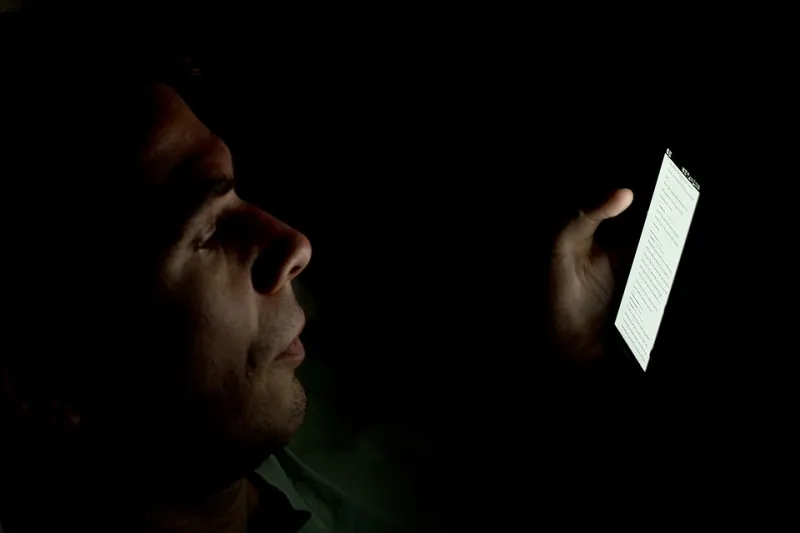
Photo: two friends drifting apart looking at phones separately, via img.freepik.com
You notice it on a Tuesday, probably. You post something — a milestone, a funny moment, a photo you actually felt good about — and you catch yourself scanning the viewer list with a specific name in mind. It's not there. Again. You scroll back through their recent stories, ones you've been watching out of habit, and realize somewhere along the way the replies stopped. The inside-joke comments dried up. The "thinking of you" DMs just... didn't come anymore.
No fight. No conversation. No closure. Just a quiet, pixelated retreat that rewrote a whole friendship without anyone signing off on it.
This is the slow fade — and if you've lived it, you already know it hits different than any dramatic falling out ever could.
The Digital Paper Trail of a Dying Friendship
Here's what makes modern friendship loss so uniquely brutal: you can watch it happen in real time. Unlike past generations who might've simply drifted apart through distance or life changes without a daily data feed to confirm it, we now have a running log of exactly how much someone is — or isn't — showing up for us.
Social media platforms have essentially gamified closeness. Likes, comments, story reactions, DM streaks — these aren't just casual interactions. Over time, they become a language. And when that language goes quiet from one specific person while you can clearly see them actively engaging with everyone else? That silence becomes deafening.
Psychologists sometimes call this "ambient awareness" — the low-level, always-on knowledge of what people in your network are doing. It's the same feature that makes social media feel warm and connected on good days. On bad ones, it turns into a surveillance tool for your own heartbreak.
Why It Hurts More Than a Blowup
Conventional wisdom says clean breaks are easier. And maybe in theory, a direct conversation — even a painful one — gives you something to process. A slow fade offers none of that. What it gives you instead is ambiguity, and ambiguity is where anxiety thrives.
When a friendship dissolves through an argument, both people usually know what happened. The story has a shape. The slow fade has no shape. It's all implication. Did they unfollow you, or just mute you? Did they miss your birthday post, or did they see it and scroll past? Are they just busy, or are you being quietly archived in their life?
That uncertainty keeps you stuck in a loop — replaying interactions, second-guessing yourself, wondering if you should reach out or if reaching out would just confirm what you're already sensing. It's grief with no funeral, loss with no timestamp.
And because the friendship technically still exists in some ghost-like form — you're still connected, still technically "friends" — there's no socially recognized script for mourning it. You can't really tell people your best friend dumped you when you're still mutually following each other on Instagram.
The Micro-Moments That Add Up
Most people who've been through a friendship slow fade can point to a specific sequence of small things that, in retrospect, told the whole story. Maybe it started with shorter text responses. Then a birthday that got a generic "hbd!" instead of a real message. Then showing up as a viewer on their story rather than someone they'd tag. Then eventually, not even that.
Each individual moment is dismissible. Collectively, they're a eulogy.
What's interesting is that the person doing the fading often isn't acting with malice. Life shifts, priorities change, new relationships absorb old energy. Sometimes people grow in genuinely different directions and neither party is the villain. But the person on the receiving end of the fade rarely gets that context — they just get the data, stripped of explanation, delivered one notification (or non-notification) at a time.
Redefining What 'Staying Friends' Even Means Now
Social media created a new category of relationship that didn't really exist before: the person you're technically still connected to but have no real relationship with anymore. The ex-close friend who exists in your feed as a ghost. You know the broad strokes of their life. You might even hit a like occasionally out of muscle memory. But the actual intimacy? Gone.
Some people are starting to push back on the idea that maintaining a digital connection equals maintaining a friendship. There's a growing conversation — especially among millennials and Gen Z who've grown up watching friendships live and die online — about being more intentional about what "staying in touch" actually requires.
For some, that means periodic check-in texts that have nothing to do with social media. For others, it means having direct conversations when they sense a drift happening, rather than watching the analytics of a friendship deteriorate in silence. A few people are even experimenting with what you might call "friendship audits" — not in a cold, corporate way, but just asking themselves honestly which connections they're actually nurturing versus which ones they're just passively observing.
The Case for Saying Something — Or Not
So what do you actually do when you notice a friendship fading in your feed? There's no clean universal answer, and anyone who tells you otherwise is probably selling something.
Reaching out can be worth it, especially if the friendship mattered. Not in a confrontational "why aren't you liking my posts" way, but a genuine "hey, I've been thinking about you, want to catch up?" check-in can sometimes revive a connection that just quietly stalled. Life is busy. People get caught up. Sometimes the fade is accidental, not intentional.
But sometimes the fade is the message. And learning to read that — without demanding a formal explanation for every relationship that runs its course — is its own kind of emotional maturity. Not every friendship is meant to last forever, and not every ending needs a breakup speech to be valid.
What does seem universally true is that the digital trail of a fading friendship is something we haven't fully figured out how to process yet. We've built all these tools for staying connected, but almost none for gracefully letting go — or for understanding what we're actually losing when someone who used to be everything slowly becomes just another name on a follower list.
Moving Through It
If you're in the middle of a slow fade right now — either watching it happen to a friendship you valued or quietly doing it to someone else — the most honest thing to sit with is this: these losses are real, even when they're invisible. The absence of a dramatic ending doesn't make the grief smaller. It just makes it harder to name.
Give yourself permission to feel that. And maybe, when you're ready, to have the conversation you've been putting off — or to accept the silence for what it is and start making space for the people who actually show up in your viewer list.